Photography. When most people hear that word, they think it’s just the act of taking pictures or photographs. However, the realist is much more complicated. Photography has been used as a tool to document history and tell stories for generations. There is always a story behind a photo. Especially in this day and age, when most media we consume is digital, photography methods and meanings have continued to evolve and adapt. Curious? You should be if you’ve ever taken a photo on your phone. I know you have.
In this blog, I’ll be covering the importance of photography in today’s digital landscape, including its historical importance. I’ll also go over how to be a better photographer and dive in-depth on what visual literacy means.
According to my research, there are a few tips that’ll help you actually make better photographs. Buckle in:
- Get Pickier:
- Most of us aren’t picky enough when taking photos, I’m guilty of this. When on vacation and I see something cool, ill just spam click my camera button and then go back and pick my favorite of the photos. Why would anyone do it that way though? I could just spend more time thinking about the composition of the photo I take, get it right, and just have to take one. It’s probably better for phone storage too. If you’re more purposeful and deliberate with your photographs, you can instead decide before rather than after the shot is taken if it is good or not.
- Better Contrast Makes Better Stories
- Contrast can be in terms of subject matter, colors, or lighting. I’m sure you understand when certain colors do or do not go together, and when lighting is too bright and dim together. Next time you take a photo, though, consider the subjec(s) of the photograph, and if they make sense together. Conside the background, the location, everything in the photo that may make for a variety in the visual appeal.
- Change My Perspective By Changing Yours:
- When considering the perspective of your photo, dont just do something normal that the viewer would find boring. Straight-ahead at eye sight level can make for an interesting photo, with the right subject matter. I recommend finding different points of view, though, be more unique. Lay on the floor, look up, climb a tree, get close, far back, just something odd and different! It’s worth a shot. Get it? Shot? Like shooting a photo?
- Create Depth:
- Depth and dimension are often overlooked in the art of photography. Add more depth in your images when you are thinking about how to compose it. Use different lenses, contrasting backgrounds, consider the foreground, the lines, the forms in the photo. You can zoom in or out to change these factors as well.
- Get Balanced
- Ever heard of the rule of thirds? I had’nt until this past summer. My sister made me be her personal photographer and she yelled at me about keeping her in a certain spot ont he grid. Apparently, it’s not just about the grid though. A photographer should consider elements that draw more attention to the photo itself, and the best way to balance those.
- Pay Attention to the Moment:
- Think you can predict the future? Maybe you can get close. When taking a photo, be more aware of the moment you’re in and your surroundings. This could mean slowing down your thought process and gazing longer, or trying to predict something cool happening before it does, based on context clues.
- Look to the light
- One of the most important aspects of a photo is the lighting. In any scenario, you should be aware of how light functions, and play with your position to see what lighting works and what doesnt. Do some research on the importance and symbolism behind shadows, direction, etc. After some practice and critique, you can figure out how to sense when lighting is good or bad. Bad lighting could ruin a shot.
- Use the Best Lens:
- Use the best lens you can. Some of us only have and can only afford a phone camera, and if thats the case, play around and figure out different things you can do with the lens. On a photography camera, though, you should try out different lenses, sometimes the lens used can make or break a photo. Itll change both yours and the viewers perception
- Expose for Aesthetics
- Figure out on your camera how to mess with the exposure settings. Shutter speed is important as well as iso (to control the image). While exploring, learn how these changes effect the display of motion, blurriness, depth, and light. Once you do this, you’ll be able to bettr form ideas on how to compose the photo before you take it (see first tip.)
- Put a Great Foreground in Front of a Great Background
- The subject matter of a photo is sometimes so strong that you dont even need to consider foreground or background. Usually, though, you dont want your photo to be too simple or too distracting. It’s important ot pay close attention to things that are close to and further from the camera.
Reading Becoming a better photographer allowed me to reflect on my own photography skills (which are basiccally nonexistent,) and be able to grow. The only way to go is up. Being thoughtful about the photos you take can make the entire message be received differently, more impactfully.
Another souce I reviewed was a TedX talk on visual literacy. I will link it below.
This video dove into depth on what visual literacy means. Wow was my mind blown. What I learned was that everything we see can be read. Everything is an image, even text. Photos are just read through vision. Visual literacy is a tool, it’s the ability to construct meaning from everything we see. It is used to read the accuracy and validity of images, examine content, social impact, and form critical thinking. It is the key to sensory literacy. There have been 3 communication revolutions in history, and we are currently living in one
Something to consider when consuming information in this multi-media world is that 90% of information is received through our eyes. If we want to fully understand something there are steps we can consciously think about to be better. Visual Literacy also considers the visual elements of art, and principles of art. There are so many ways to understand visual literacy from a historical context, to iconology.
In ‘The Story Behind Migrant Mother’, one key think I took from this reading was to truly think about the context in which a photo is taken. All elements of context like time period, location, economy, and other things.
In the iconic photo ‘Migrant Mother’, the context is what makes it so powerful. It portrays a woman and her kids during the great depression, their struggles shown through her expressions.
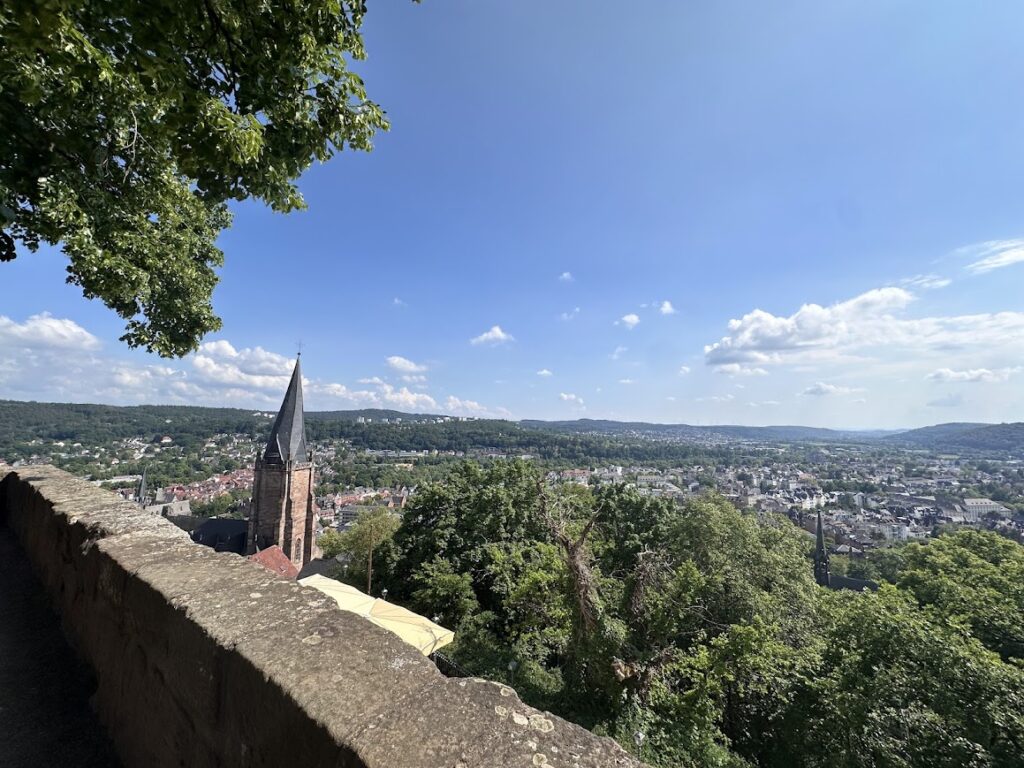
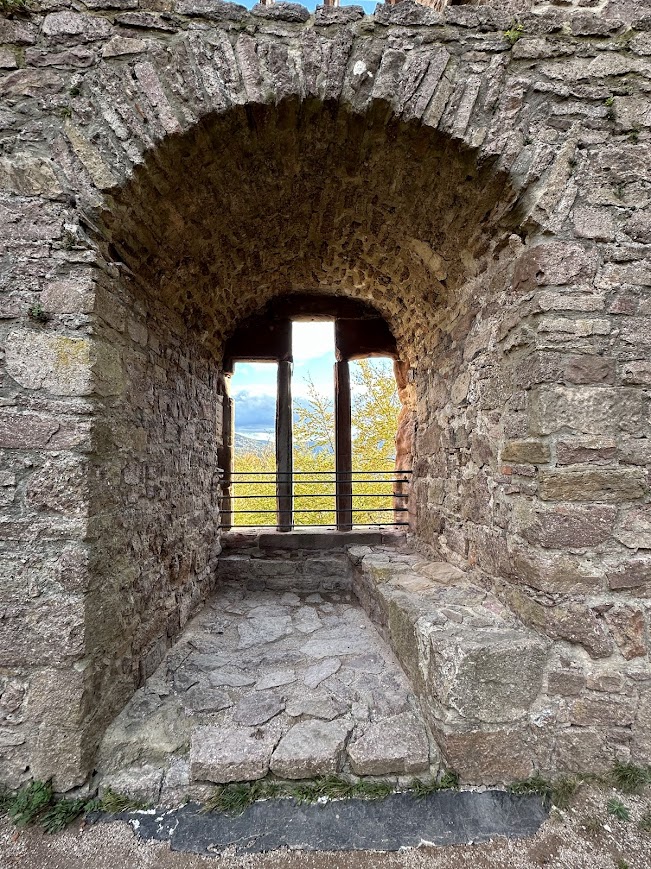
Alright alright, now that you’ve read me rambling on about photography, I want to show you a few of my favorite photos and see if y’all can spot some of the important aspects of composition in there. Feel free to also share your own thoughts, experiences, and photos in the comments as well!
Good luck implementing better photography techniques next time you find a camera in your hands.

Leave a Reply